Enhance Your Curb Appeal With Expert Landscaping Services: Services Offered by Professionals
Enhancing curb appeal is a significant aspect of homeownership. Professionals in landscaping offer a range of services designed to enhance outdoor spaces. From detailed landscape design to plant selection, each element plays an important role in achieving a harmonious look. Hardscaping and irrigation solutions further enhance these efforts. As homeowners seek to boost their property's value, understanding these services becomes critical. What specific enhancements can truly transform an exterior?
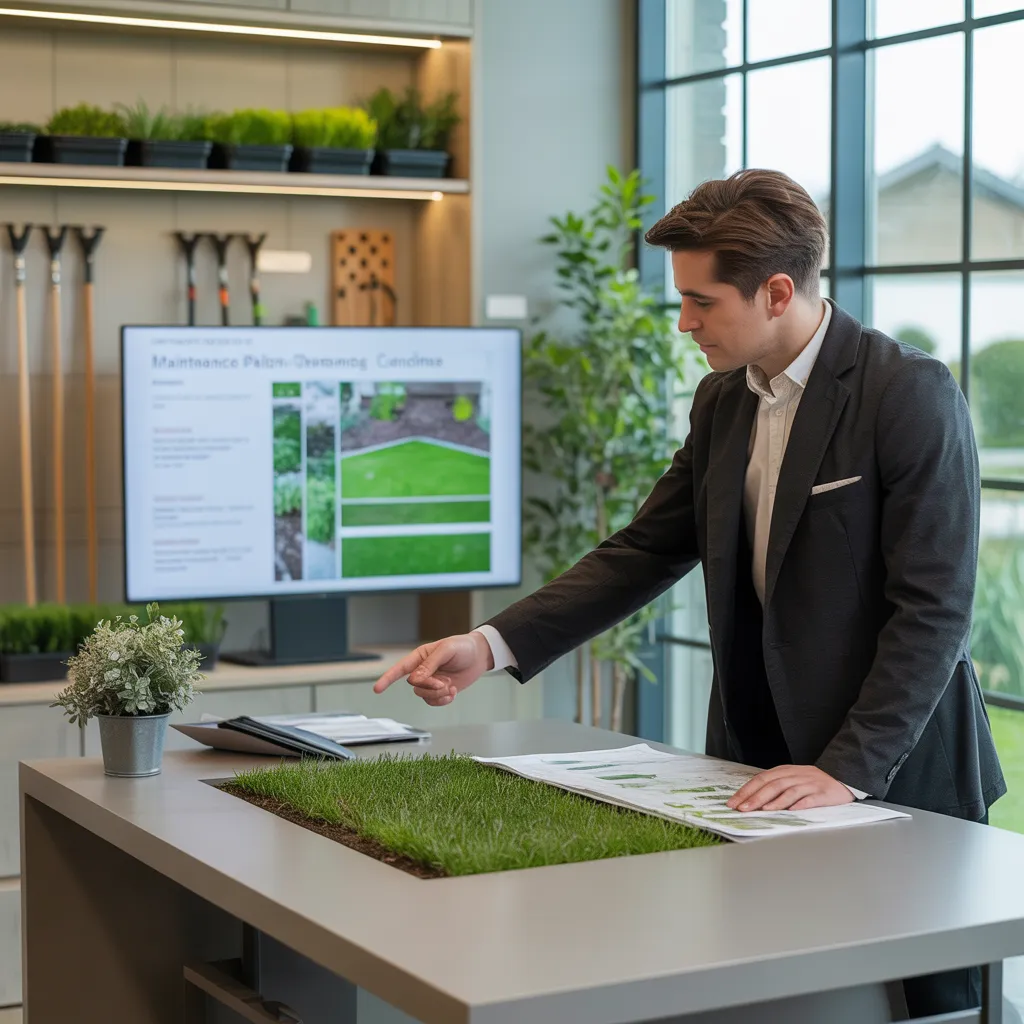
Landscape Architecture and Planning
When establishing an inviting outdoor space, well-planned landscape design and planning serve as the foundation for increasing curb appeal. A carefully planned landscape design not only showcases the property's architectural characteristics but also creates a unified and functional outdoor environment. Professionals commence by reviewing the site's unique characteristics, such as sunlight patterns, soil types, and existing vegetation, enabling informed decision-making. They incorporate the homeowner's wishes, lifestyle, and budget, integrating elements like pathways, patios, and focal points to achieve harmony.
Strategic planning involves taking into account seasonal changes, ensuring that the landscape remains visually pleasing year-round. Effective drainage and plant placement assist in preventing erosion and encourage healthy growth, further enhancing the space's aesthetic. By prioritizing these aspects, landscape design and planning create a enchanting outdoor area that attracts attention and reflects the homeowner's style, in the end increasing the property's value.
Flora Selection and Installation
Well-executed landscape design naturally leads to the significance of meticulous plant selection and installation. Professionals emphasize that picking the right plants is vital for improving curb appeal and guaranteeing the landscape thrives. Considerations such as climate, soil type, and light conditions play significant roles in this selection approach.
Specialists commonly advise native species, as they are better adapted to local environments and require less maintenance. In addition, a properly balanced combination of trees, shrubs, and flowers can create visual interest throughout the seasons.
Professional installation is similarly essential, requiring exact methods to support healthy growth. Professionals confirm that plants are placed at appropriate spacing and depth, allowing for adequate air circulation and root development. They also recommend proper watering and care practices to help new plants take root. Through deliberate plant selection and masterful installation, homeowners can attain a flourishing landscape that enhances their property's overall appeal.
Hardscape Services
Professional hardscaping services play a vital role in elevating the visual appeal and usability of a landscape. These services involve the design and installation of non-plant elements such as patios, walkways, retaining walls, and outdoor kitchens. By installing hardscape features, homeowners can create clearly defined zones that add form and function to their outdoor areas.
Professionals in hardscaping employ diverse materials including stone, brick, and concrete to build durable and visually appealing installations. Their skill ensures that these elements not only enhance the natural environment but also endure weather conditions over time.
In addition, well-executed hardscaping can better drainage and lessen soil erosion, contributing to a more sustainable environment. With thoughtful planning and design, hardscaping can turn a plain yard into an attractive retreat, increasing property value while delivering functional outdoor living spaces for leisure and entertainment.
Lawn Care and Maintenance
Lawn maintenance and care represent crucial aspects of a beautiful landscape, as they ensure that outdoor spaces remain healthy and vibrant. Professional landscaping services offer extensive lawn care, including mowing, fertilization, aeration, and weed control. Routine mowing maintains an even height, encourages development, and improves aesthetic appearance. Fertilizing delivers vital nutrients, cultivating a lush, green lawn. Aeration helps alleviate soil compaction, allowing air, water, and nutrients to penetrate the roots effectively.
Additionally, weed control is crucial for preserving a pristine appearance and stopping competition for resources. Specialists also evaluate soil health and advise amendments when appropriate, establishing perfect conditions for grass growth. In addition to these services, they may supply pest management strategies to shield the lawn from invasive species. In summary, engaging expert lawn care and maintenance not only enhances curb appeal but also ensures the sustained health and sustainability of the landscape.
Seasonal Color Schemes and Planting
Seasonal plant selection plays a vital role in improving curb appeal through deliberate color selection and current design approaches. Different cultivation approaches can be employed to make certain blooms thrive throughout the year, creating a visually stunning landscape. An examination of these elements illustrates how deliberate choices can improve any outdoor space.
Color Selection by Season
Choosing the right colors is essential in improving the visual appeal of any landscape, specifically through seasonal planting and well-considered color schemes. Landscaping specialists understand the importance of opting for plants that not only bloom at different times of the year but also see this complement each other in color and texture. For spring, lively tulips and daffodils can create a cheerful atmosphere, while summer may call for bold marigolds and petunias. Autumn can be showcased with warm hues from chrysanthemums and asters, and winter interest can be achieved through evergreens and colorful berries. By thoughtfully choosing seasonal colors, landscaping specialists can assure that the outdoor space remains visually captivating and inviting throughout the year, ultimately enhancing curb appeal and property value.
Planting Strategies Clarified
Strategic planting strategies are vital for creating visually appealing landscapes that thrive throughout the seasons. Professionals emphasize the importance of seasonal planting, selecting flowers and plants that bloom at different times of the year. This approach guarantees continuous color and interest, boosting curb appeal. For instance, spring may feature tulips and daffodils, while summer could showcase vibrant annuals like petunias and marigolds.
In addition to seasonal elements, color schemes hold great importance in landscape design. Balanced palettes can evoke specific moods and create focal points. Experts often recommend using complementary colors to produce contrast, or analogous colors for a more calming effect. By perfecting these techniques, landscaping experts can transform outdoor spaces into breathtaking displays that captivate homeowners and visitors alike.
Design Trends Overview
Contemporary landscaping design trends are defined by the interplay of seasonal planting and carefully curated color schemes. More and more homeowners aim to establish dynamic exterior spaces reflecting the transitions of seasons. The spring season frequently displays lively blooms, presenting colorful annuals and perennials that revitalize outdoor spaces. The summer months highlight abundant foliage and tropical vegetation, delivering a revitalizing counterpoint to higher temperatures. During fall, dominant rich tones like gold, red, and orange appear, with foliage that mesmerizes and honors the seasonal transition. Cold-weather landscapes concentrate on evergreen features and seasonal embellishments, sustaining aesthetic interest during frigid periods. Industry professionals promote coordinated color arrangements that align with the residence's architectural style, boosting exterior attractiveness while delivering an all-season appearance that changes with natural cycles.
Irrigation and Drainage Services
Irrigation and drainage systems serve an essential function in preserving a healthy landscape. Smart water control promotes plant growth while preventing soil erosion and preserving valuable topsoil. Custom irrigation designs ensure water distribution efficiency, maximizing outdoor space aesthetic value.
Smart Water Handling
When property owners focus on efficient water management, they enhance their landscapes while also contributing to sustainable practices. Professional landscaping services offer tailored irrigation solutions that guarantee ideal water distribution, reducing waste while keeping plants healthy. Such systems may feature drip irrigation, delivering water straight to the roots while minimizing evaporation and runoff. Additionally, proper drainage solutions are essential to prevent water accumulation and protect plants from root rot. Experts examine the landscape's particular topography, deploying grading and drainage systems that guide excess water away from susceptible areas. Through investment in these effective water management strategies, homeowners maintain vibrant gardens and lawns while advancing an eco-friendly approach to landscaping.
Soil Erosion Prevention
Implementing successful soil erosion prevention measures is fundamental for sustaining healthy landscapes. Professionals use various irrigation and drainage solutions to regulate water flow, limiting soil displacement. Appropriate grading techniques divert water away from vulnerable areas, while strategically placed drains promote efficient runoff management. Moreover, installing retaining walls can deliver structural support, preventing soil slippage. Vegetative cover, such as grass or ground cover plants, also plays a vital role by binding soil and absorbing excess water. Regular maintenance of these systems is critical to maintain their effectiveness over time. By addressing soil erosion proactively, homeowners can protect their investment in landscaping and improve the complete aesthetic appeal of their properties.
Customized Irrigation Strategies
Developing customized irrigation plans is crucial for improving water usage and boosting landscape health. Experts assess the distinct needs of each property, taking into account elements such as soil type, plant species, and local climate conditions. By creating customized systems, they ensure efficient water distribution, minimizing waste and supporting healthier growth. These systems often include a variety of irrigation methods, such as drip or sprinkler systems, strategically positioned to target specific areas of the landscape.
Furthermore, experts may utilize smart technology to measure moisture levels and adjust watering schedules accordingly. This preventive approach doesn't just saves water but also helps preventing issues like overwatering or drought stress. Eventually, tailored irrigation plans contribute considerably to sustaining thriving and sustainable landscapes.
Exterior Lighting and Improvements
While frequently disregarded, outdoor lighting provides a fundamental contribution to enhancing a property's curb appeal. Thoughtfully arranged lighting fixtures don't just illuminate pathways and driveways but also highlight architectural features and landscaping elements, creating a welcoming atmosphere. Experienced landscaping services deliver a diverse array of outdoor lighting choices, including LED lights, solar-powered fixtures, and decorative lanterns, all customized to match the style and needs of the property.
Beyond functionality, outdoor lighting increases safety by reducing dark zones where potential hazards may lurk. Moreover, it enables homeowners to enjoy their outdoor spaces during the evening hours, transforming gardens and patios into inviting retreats. By implementing smart lighting control systems, property owners can customize their outdoor ambiance and energy usage, adding an element of modern convenience. Finally, expert outdoor lighting installations significantly elevate a home's curb appeal, making it more attractive to visitors and potential buyers alike.
Frequently Asked Questions
How Long Will My Landscaping Project Take to Finish?
An average landscaping project can take anywhere from a handful of days to a number of weeks, depending on the scope of work, design complexity, and site conditions. Larger projects generally require more time for completion.
What Does Professional Landscaping Typically Cost?
Average costs of professional landscaping services generally ranges from $1,500 to $5,000, depending on factors such as size of your project, complexity, materials used, and geographic location, influencing both the design and implementation of your landscaping project.
Will Landscapers Offer Maintenance Plans Following Installation?
Numerous landscapers offer ongoing maintenance plans following the initial installation. These plans typically include regular services such as mowing, pruning, and fertilization, ensuring the outdoor space continues to be healthy and aesthetically pleasing throughout the entire year.
Can You Get Landscaping Services All Year Long?
Indeed, landscaping services are provided year-round, based on the region and specific services. Professionals typically adjust their offerings to accommodate seasonal changes, ensuring clients receive suitable care and maintenance throughout the year.
How Do I Select the Best Landscaping Company for My Requirements?
To choose the right landscaping company, one should research local providers, read reviews, compare costs and offerings, request quotes, and assess their communication and responsiveness, ensuring alignment with particular landscaping needs and preferences.